The Nepal Engineering Council (NEC) is an autonomous government body established in 1999 under the Nepal Engineering Council Act. The NEC is responsible for the registration of engineers and engineering consultants in Nepal, and for regulating the engineering profession in the country.

The NEC has the following functions:

  • To register qualified engineers and engineering consultants
  • To conduct licensing examinations for engineers before registration
  • To monitor and regulate the engineering profession in Nepal
  • To set standards for engineering education and practice
  • To maintain a register of all registered engineers and engineering consultants in Nepal
  • To investigate complaints against engineers and engineering consultants and take disciplinary action against those who violate the Nepal Engineering Council Act or the Code of Engineering Ethics

The NEC is governed by a 10-member Council, which is headed by a Chairperson. The Chairperson and other members of the Council are appointed by the Government of Nepal.

The NEC is a very important institution in Nepal, as it plays a vital role in ensuring the quality and safety of engineering works in the country. The NEC's work is essential for the development of Nepal's infrastructure and economy.

Here are some of the key achievements of the NEC:

  • Established a licensing examination for engineers to ensure that all registered engineers have the minimum required knowledge and skills
  • Developed and implemented standards for engineering education and practice
  • Established a register of all registered engineers in Nepal, which is accessible to the public
  • Investigated complaints against engineers and taken disciplinary action against engineers who have violated the Nepal Engineering Council Act or the Code of Engineering Ethics

The NEC is a highly respected institution, and it plays an important role in the development of Nepal's engineering profession.

In addition to the above, the NEC also plays a role in promoting the development of engineering in Nepal. It does this by:

  • Conducting research on engineering issues
  • Organizing workshops and seminars on engineering topics
  • Collaborating with other national and international organizations involved in engineering

The NEC is a valuable asset to Nepal, and its work is essential for the country's development.

The subjects covered in engineering exams vary depending on the specific exam and the engineering discipline. However, some common subjects that are typically covered include:

  • Mathematics: This includes topics such as algebra, calculus, trigonometry, and statistics.
  • Physics: This includes topics such as mechanics, electricity and magnetism, thermodynamics, and waves.
  • Chemistry: This includes topics such as general chemistry, organic chemistry, and analytical chemistry.
  • Engineering Drawing: This includes topics such as orthographic projection, isometric projection, and perspective projection.
  • Engineering Mechanics: This includes topics such as statics, dynamics, and strength of materials.
  • Electrical Engineering: This includes topics such as circuit theory, electronics, and electromagnetism.
  • Mechanical Engineering: This includes topics such as thermodynamics, fluid mechanics, and machine design.
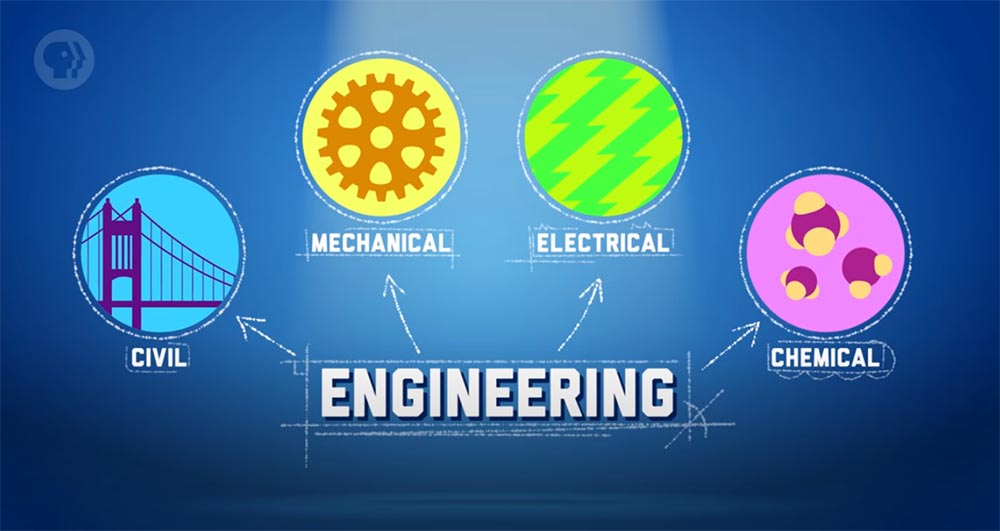
  • Civil Engineering: This includes topics such as structural engineering, transportation engineering, and environmental engineering.
  • Computer Engineering: This includes topics such as computer architecture, software engineering, and database systems.

In addition to these core subjects, some engineering exams may also cover more specialized topics, such as:

  • Aeronautical Engineering: This includes topics such as aerodynamics, propulsion, and flight mechanics.
  • Chemical Engineering: This includes topics such as mass transfer, heat transfer, and chemical reaction engineering.
  • Industrial Engineering: This includes topics such as operations research, manufacturing engineering, and supply chain management.
  • Material Science Engineering: This includes topics such as the structure and properties of materials, and the design and development of new materials.

Students preparing for engineering exams should carefully review the syllabus to ensure that they are familiar with all of the topics that will be covered.